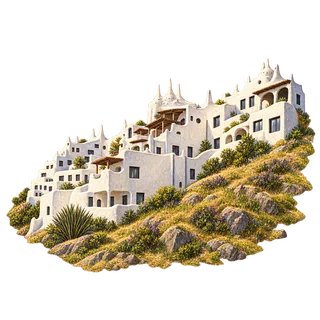
Artist Carlos Paez Vilaro shaped Casapueblo over decades as a place to live, work and collect his creations. Its museum workshop preserves that creative story. Curved walls and irregular terraces give the building its distinctive outline.
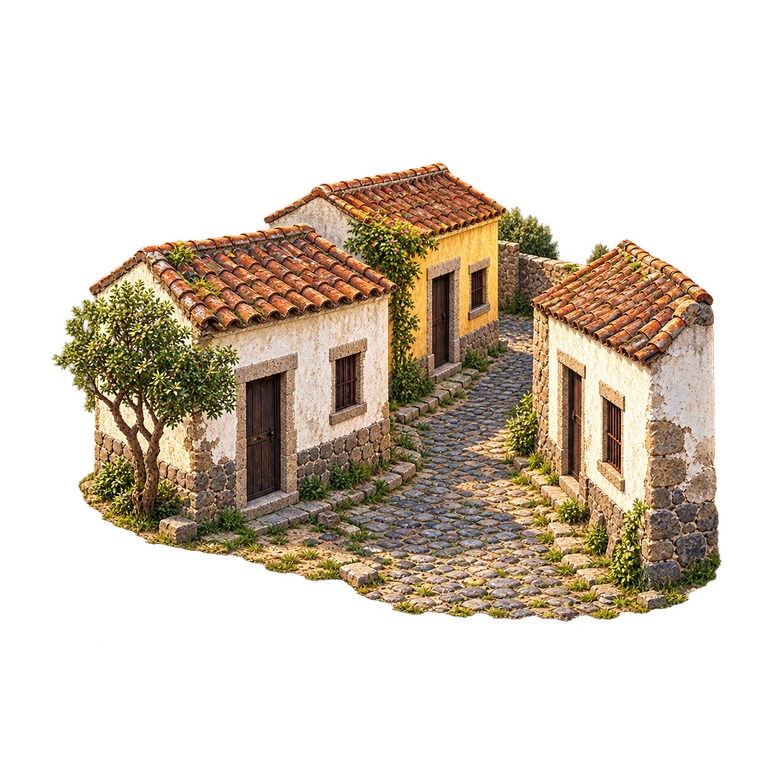
Portuguese settlers founded Colonia del Sacramento on the Río de la Plata in 1680. Successive Portuguese and Spanish occupations left a varied streetscape, later enriched by immigrant craftspeople. Unlike a rigid colonial grid, its street plan adapts to the terrain, with low buildings and intimate lanes close to the river.
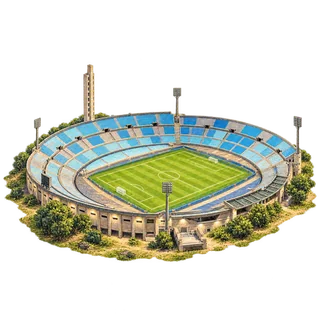
Montevideo's Estadio Centenario opened in 1930 and hosted that year's World Cup final. Its Torre de los Homenajes rises beside the uncovered stands. The stadium's official history connects the building with generations of football memories.
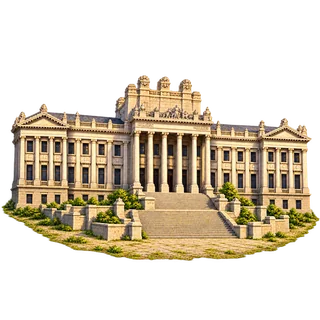
Montevideo's Palacio Legislativo opened in 1925, the centenary year of Uruguay's declaration of independence. Its central colonnade, raised sculptural block and long wings give it a strong civic silhouette. Look above the wide stairway toward the central stone figures.
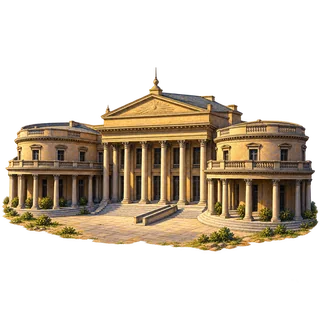
Teatro Solis opened in 1856. Its history spans private ownership and public cultural life, with the city buying it in 1937. The entrance's central pediment and rounded side buildings offer a compact architectural clue to a much larger world of performance.