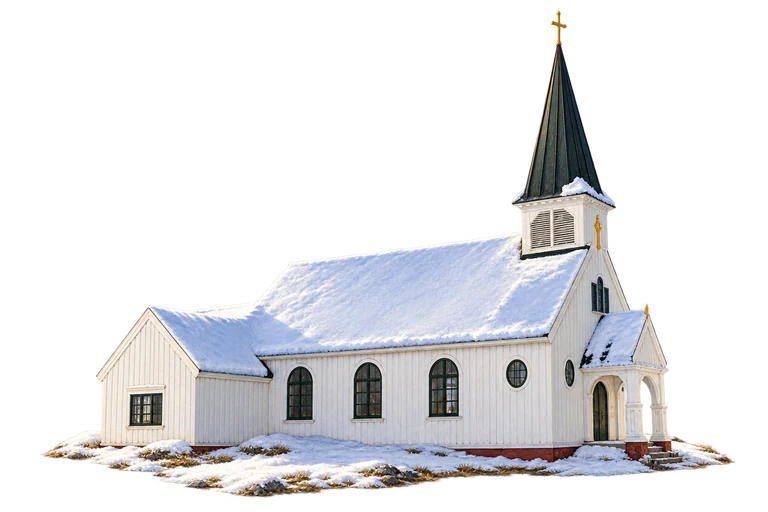
Grytviken’s church was prefabricated in Norway, shipped to South Georgia and erected by station workers in 1913. South Georgia Museum describes its timber construction, whalers’ library and memorials. Its tall dark spire and modest white walls form a very different landmark from the station’s industrial stores and machinery. The building is part of a wider history of seafaring communities and commercial whaling, with restoration helping preserve evidence of that past.
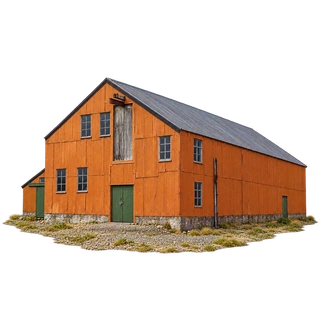
Grytviken ceased whaling operations in the mid-1960s. Its surviving Main Store preserves supplies and equipment that supported the station and its vessels, while conservation work has recorded and cared for those objects. The heritage site offers evidence of industrial whaling through the structures and material traces it left behind.
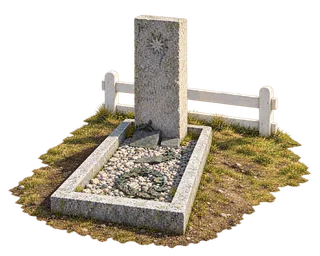
Ernest Shackleton died during the Quest expedition in 1922 and was buried at Grytviken. South Georgia Museum records the return of his body to the island after his wife chose South Georgia as his resting place. The present Scottish-granite headstone followed in 1928. Its quiet setting among the station’s cemetery connects polar exploration with the sailors, whalers and other people remembered nearby.