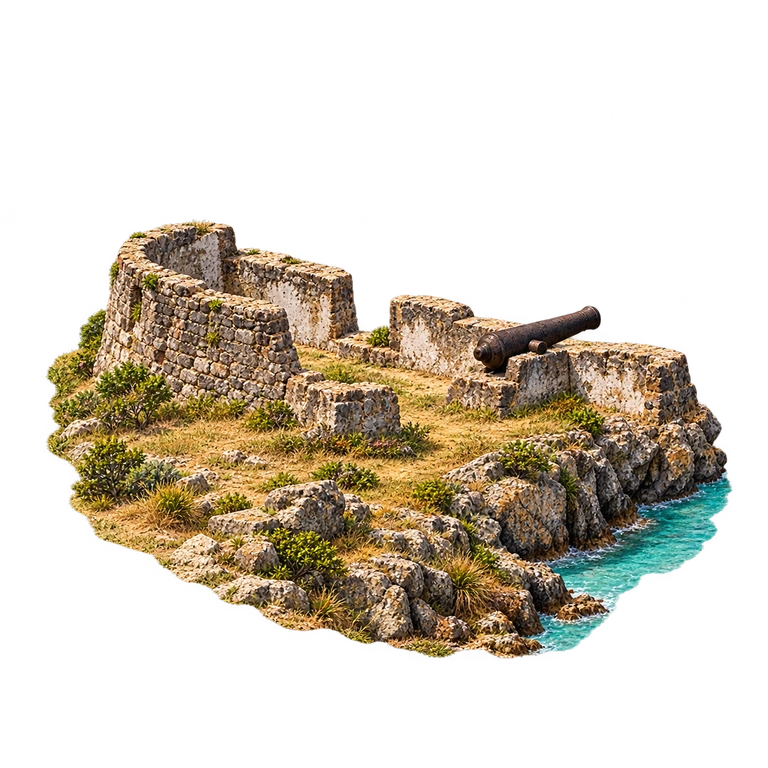
European interest in Saint Martin included the collection of salt from the island's ponds. Fort Amsterdam near Philipsburg formed part of the defences used to assert control over access to Great Bay's salt pond. The surviving site connects a coastal military structure with the resources and colonial rivalries behind its strategic position.
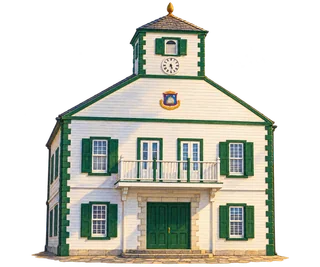
Look for the small balcony above the entrance and the clock below the roof cap. Built in 1793 and changed by later renovations, the courthouse is one of Philipsburg’s best-known landmarks. Its image also appears in Sint Maarten’s coat of arms.
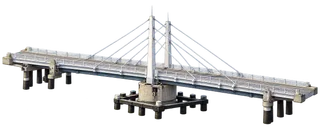
The causeway links opposite sides of the lagoon, while its central steel span can rotate to let vessels pass. Constructor Hollandia describes a 68-metre swing bridge with two pylons and a pivot in the middle. The complete rotating section was manufactured in the Netherlands and transported by ship to Sint Maarten. It is a different crossing from the Simpson Bay bridge at the lagoon’s sea entrance.