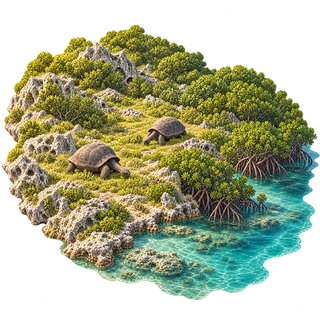
Aldabra's four main coral-limestone islands enclose a shallow lagoon in the Indian Ocean. The atoll is a major refuge for giant tortoises, whose grazing is closely connected with its vegetation. Reefs, seagrass, mangroves and rugged land habitats make it an important place for studying ecological processes.
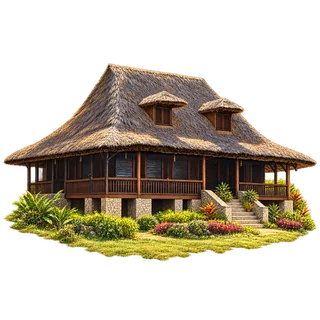
The Grann Kaz at L’Union Estate is a surviving example of traditional domestic architecture on La Digue. Timber walls and a veranda stand above masonry supports, while two dormers punctuate the broad roof. Tourism Seychelles records that renovation gave the house a palm-leaf covering over a corrugated-metal roof layer.
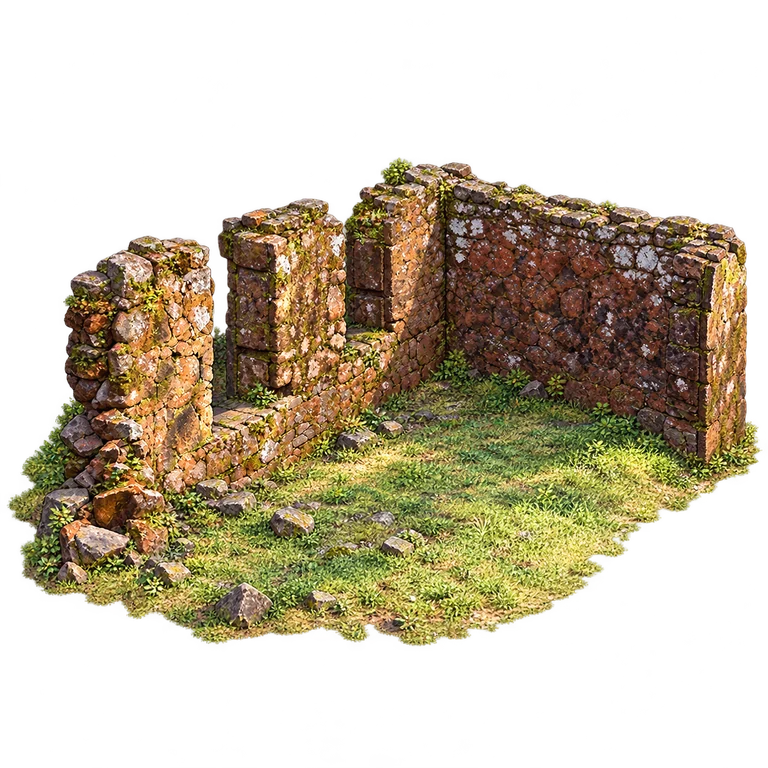
Venn’s Town was a mission settlement on Mahé where missionaries ran a school for children of Africans liberated from slavery. Surviving walls help preserve that history within the Morne Seychellois landscape. The site is a national monument; its familiar Mission Lodge name also connects it with a later viewing place on the hill.
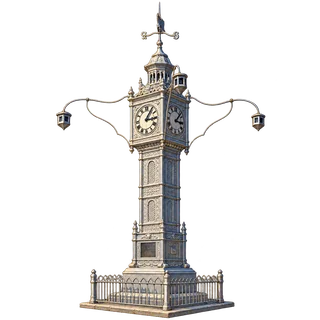
Victoria’s cast-iron clock tower was inaugurated in 1903. Its compact scale contrasts with its elaborate metalwork: patterned panels rise to clock faces, a little bell cupola and a weather vane. The tower has remained a familiar landmark as the Seychelles capital has changed around it.
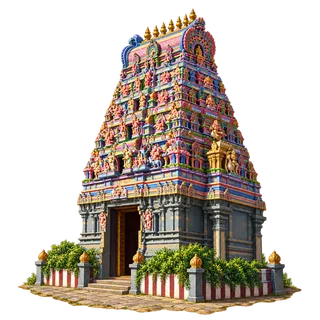
The Arul Mihu Navasakthi Vinayagar Temple stands on Quincy Street in Victoria. Its entrance gopuram brings Tamil temple architecture to the Seychelles capital: sculpted figures and bright colours rise in successive tiers above the doorway. The tower is one part of an active place of worship, rather than an isolated decorative monument.