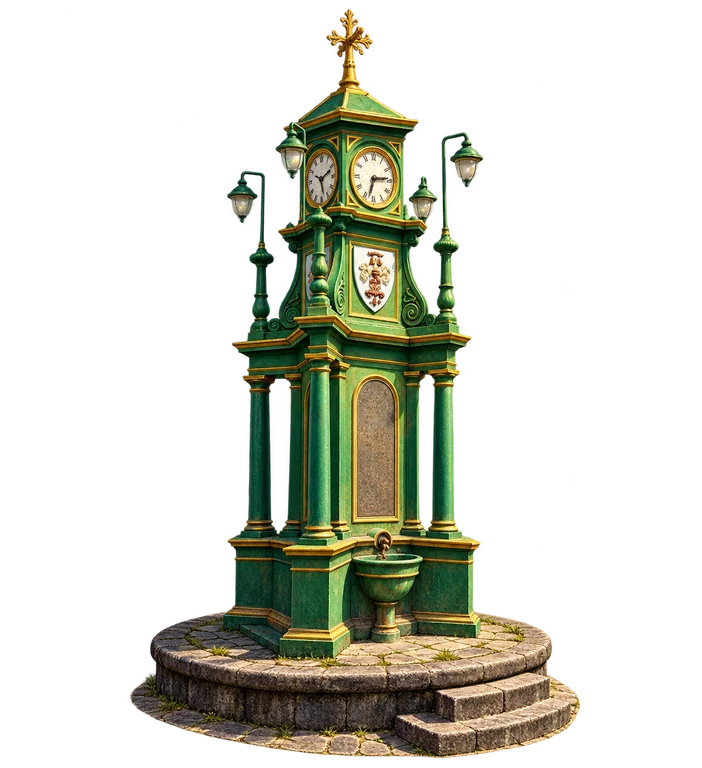
At the centre of the Circus in Basseterre, the Berkeley Memorial combines a clock with a drinking fountain. It was erected in 1883 and made by George Smith and Co of Glasgow. Look from the small stone steps up through the slender columns to the clock faces. The monument commemorates Thomas Berkeley Hardtman Berkeley, a legislator and plantation owner; its decorative ironwork is also a link between Caribbean civic spaces and Scottish foundries.
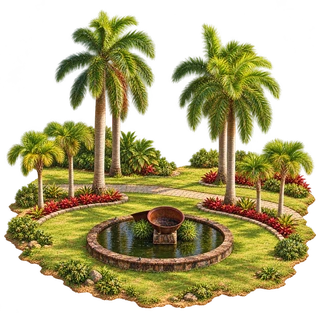
The Botanical Gardens of Nevis bring together tropical flowers, shrubs, orchid terraces and water-lily ponds. Their setting near Montpelier provides a different way to encounter the island through cultivated plant collections. Paths, water features and planting make this a designed landscape rather than a single wild habitat.
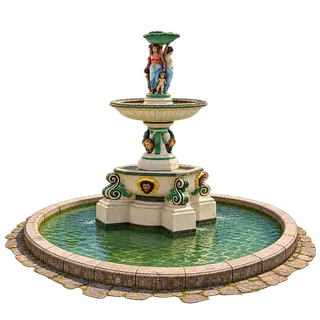
Independence Square was formerly called Pall Mall Square. It took its present name on 19 September 1983, when Saint Kitts and Nevis became independent. The National Archives links the central fountain to the nineteenth-century introduction of piped water into Basseterre. Classical figures and a small child decorate the top. The square also carries the history of colonial administration, markets and slavery: its present calm is only one chapter in the place’s story.
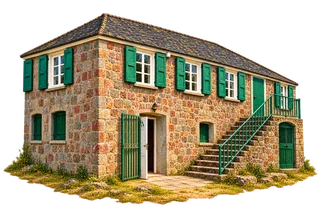
This stone building in Charlestown houses the Museum of Nevis History, with the island assembly upstairs. Its green shutters and outside staircase make a memorable pattern against the rough masonry. The building was reconstructed in the 1980s. The Nevis Historical and Conservation Society carefully distinguishes the traditional Hamilton birthplace story from documentary proof: Hamilton was born on Nevis, but this particular plot is not established as his birth site. Discover the wider island story as well as that famous connection.
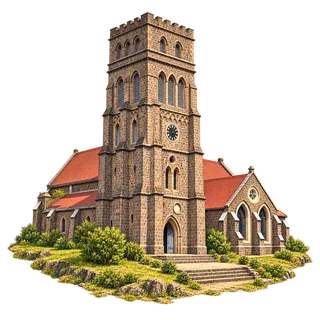
St George’s Anglican Church has a place in Basseterre’s long history of rebuilding. The National Archives traces its Anglican predecessor to the rebuilding of a burnt French church in 1710. The masonry seen today belongs to later building and restoration, rather than a structure unchanged since that date. Look at the square tower’s flat battlements, narrow arched openings and round clock, then follow the red roofs towards the lower gabled frontage.