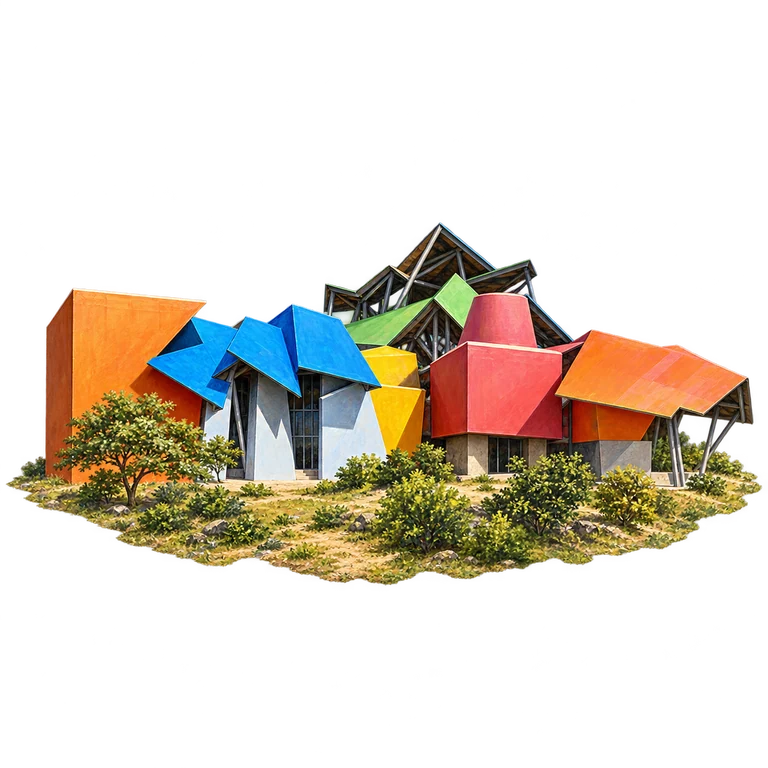
Designed by Frank Gehry, the Biomuseo uses a cluster of colourful roofs around an open-air atrium. Its exhibitions explore how the emergence of Panama connected continents and separated oceans, reshaping life far beyond the isthmus. The museum stands on the Amador Causeway.
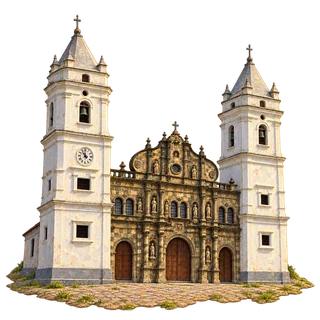
The Metropolitan Cathedral stands on Plaza Catedral in Casco Antiguo. Its white bell towers contrast with the darker carved stone of the central frontage. Panama's tourism authority identifies the cathedral among the historic quarter's principal landmarks.
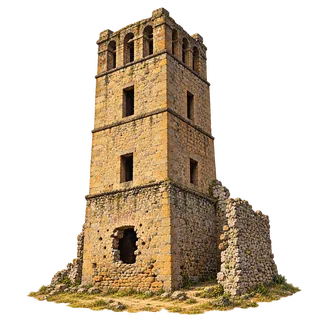
The surviving cathedral tower is one of Panama Viejo's best-known landmarks. The stone cathedral was built in the seventeenth century, and its tower served both bells and observation. Conservation has kept the ruin's recognisable outline while allowing visitors to understand the former city.
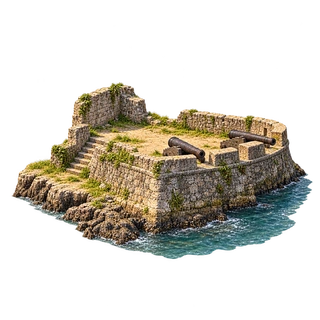
Portobelo's forts form part of a World Heritage property shared with San Lorenzo on Panama's Caribbean coast. Built during the seventeenth and eighteenth centuries, these defensive works served Spanish transatlantic trade. Their design adapted military architecture to harbour settings and coastal terrain.
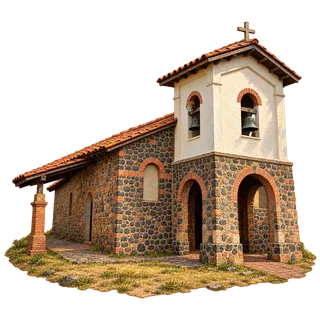
San Francisco de la Montana's church combines a modest exterior with an important collection of eighteenth-century carved altarpieces inside. Panama's heritage inventory records its national-monument status and explains that the building has undergone many changes. Outside, dark masonry and brick-edged arches contrast with the pale belfry.