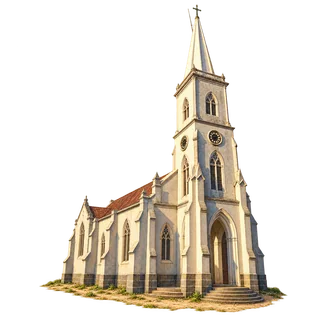
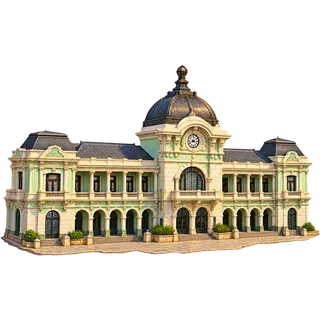
Beira’s cathedral is a landmark of the city’s religious architecture. Mozambique’s tourism account dates it to 1925 and notes the reuse of stone from the old fort at Sofala. Look for the pale facade, clock and narrow spire.
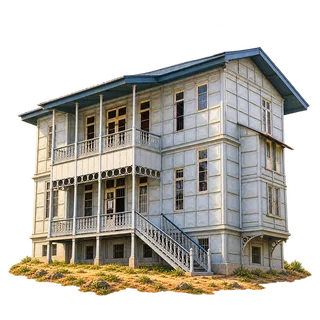
Casa de Ferro takes its name from the iron used in its prefabricated structure. Verandas, fine metal rails and an exterior stair soften the industrial material into a house-like form. Its story also raises a practical question: how does a metal building respond to a hot climate?
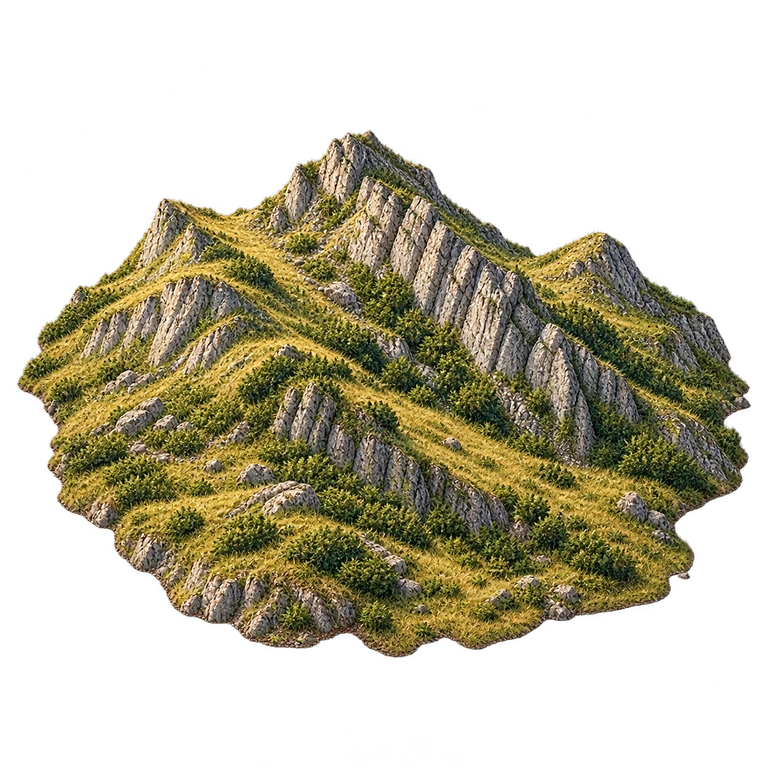
Chimanimani National Park includes the Mozambique side of the mountain range near Mount Binga. Rocky terrain, forests and highland habitats support distinctive plants, birds, reptiles and butterflies. Local communities also maintain cultural relationships with the landscape. Its significance therefore includes both biodiversity and the knowledge attached to a particular mountain environment.
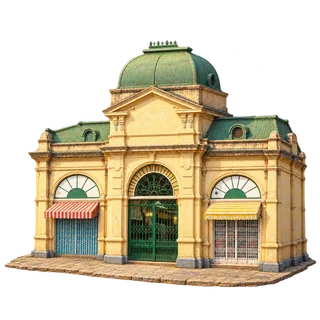
Maputo’s central railway station was inaugurated in 1910 and completed in 1916. Its entrance frontage brings together arches, verandas and a prominent domed central pavilion. The railway museum at the station connects that architecture with the history of transport in Mozambique.