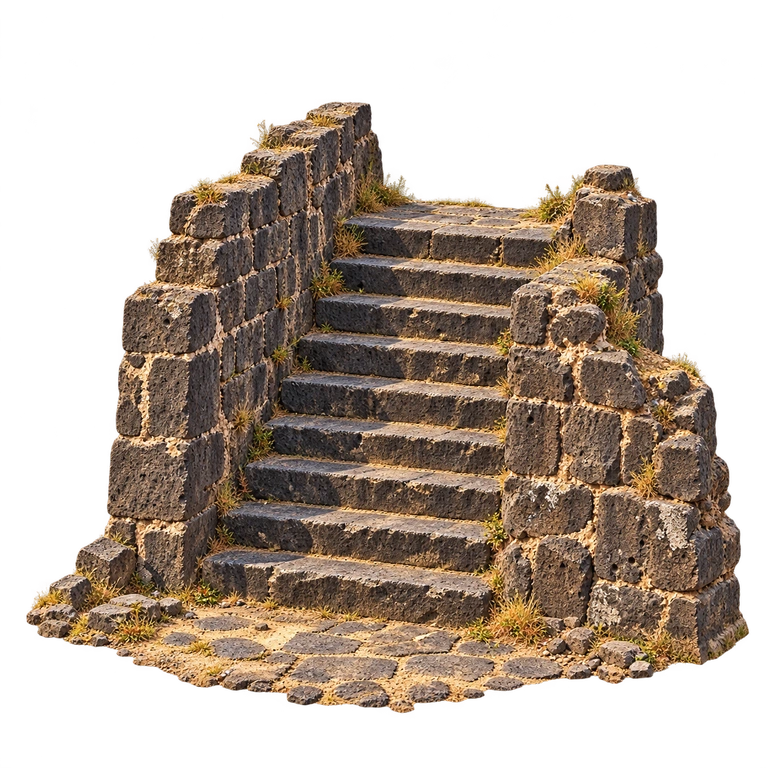
Aapravasi Ghat in Port Louis preserves remains of an immigration depot built in 1849. It received indentured labourers for Mauritius's sugar estates, including people from India, eastern Africa, Madagascar, China and Southeast Asia. The site helps explain the colonial labour system that expanded after the abolition of slavery and the communities formed through those journeys.
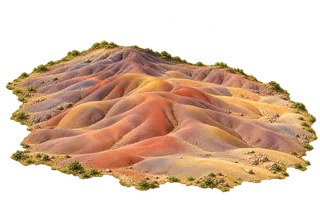
At Chamarel in south-western Mauritius, exposed earth forms rounded ridges and small gullies in reds, browns, ochres and violet tones. Weathering of volcanic basalt left mineral-rich soils whose colours are linked to iron and aluminium compounds. Rain has shaped the undulating surface over time. This modest patch of coloured ground offers a close look at the island's volcanic history, without needing a towering mountain to tell its story.
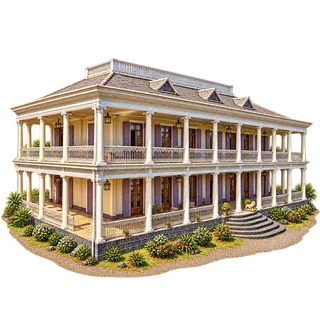
The Château de Labourdonnais was built for Christian Wiehe between 1856 and 1859. Its two-level colonnaded galleries shade the house and help air circulate in the tropical climate. Today the restored mansion interprets life on a historic agricultural estate, alongside the gardens and orchards around it.
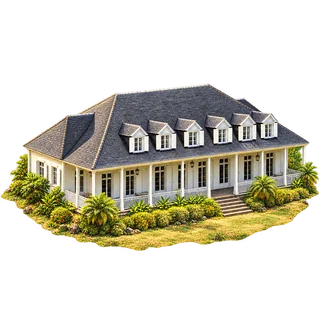
Eureka House is a nineteenth-century Creole mansion in Moka, in the inland part of Mauritius. Its deep veranda, timber posts and repeated roof dormers make it recognisable before you step inside. The house is presented as a museum of domestic life, with period rooms and objects set within a green estate.
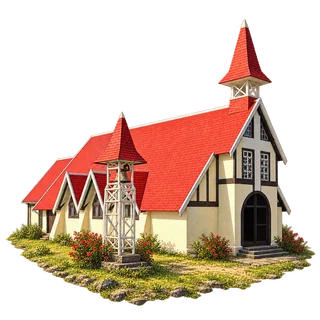
Notre-Dame Auxiliatrice is the familiar red-roof church at Cap Malheureux. Cream walls and dark timber trim make the roof stand out, while a separate open-frame bell tower stands beside the chapel. The coastal setting is famous, but the building itself rewards a closer look at its steep roof and small side gables.