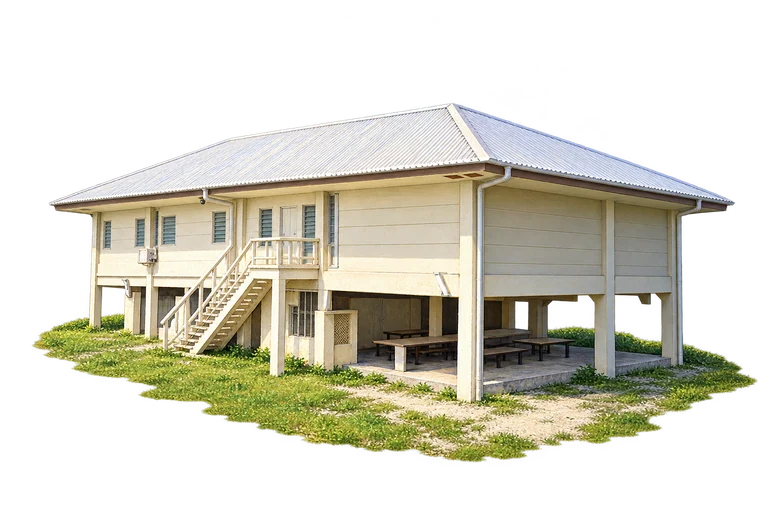
Alele Museum in Majuro preserves and shares Marshallese cultural history. The national tourism office highlights traditional fishing equipment, clothing, tools and historic photographs among the things visitors can learn about there. Its practical two-storey building is a reminder that important collections need not sit behind a monumental facade. The stories held inside connect everyday skills with the islands’ wider history.
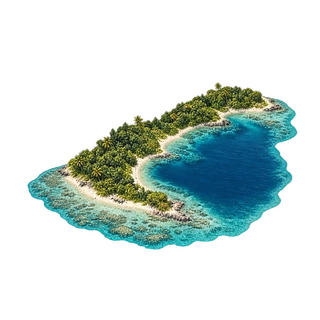
Bikini Atoll became a United States nuclear-testing site after its inhabitants were displaced. Tests between 1946 and 1958 left shipwrecks, a large crater and lasting environmental consequences. The place records the beginnings of the nuclear age and its effects on island communities, rather than an untouched tropical landscape.
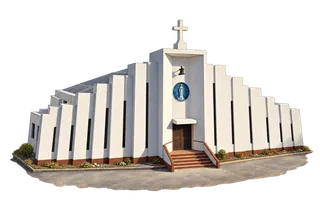
The Cathedral of the Assumption is a Catholic church in Majuro. Its modern front rises through a series of narrow white fins towards a central entrance marked by a cross, a bell and a blue devotional roundel. Catholic institutional records place Majuro within the Apostolic Prefecture of the Marshall Islands, while contemporary local reporting records community ceremonies at Assumption Church. The light facade and simple entrance make a distinctive setting for the congregation’s shared life.
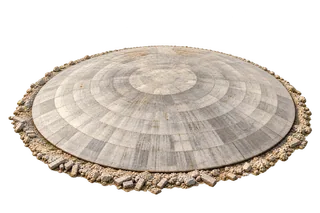
Runit Dome is the concrete containment structure over Cactus Crater on Runit Island in Enewetak Atoll. It belongs to the legacy of nuclear testing and subsequent cleanup in the Marshall Islands. The United States Department of Energy continues to publish studies of the structure and groundwater, including a 2026 report. The broad, segmented cap is one visible reminder of that difficult history. Runit is in Enewetak, a different atoll from Bikini.
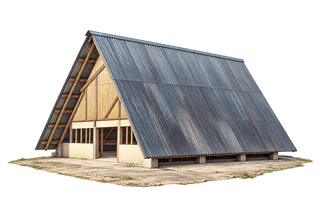
Waan Aelõñ in Majel, often called WAM, teaches and practises Marshallese canoe building and sailing in Majuro. Its own visitor information identifies an A-frame canoe house beside the centre’s other buildings. A project participant’s 2020 photograph singles out the old canoe house by its tall roof in the middle of the campus. This simple workshop connects inherited knowledge with hands-on training for new generations, rather than presenting canoe culture only as something from the past.