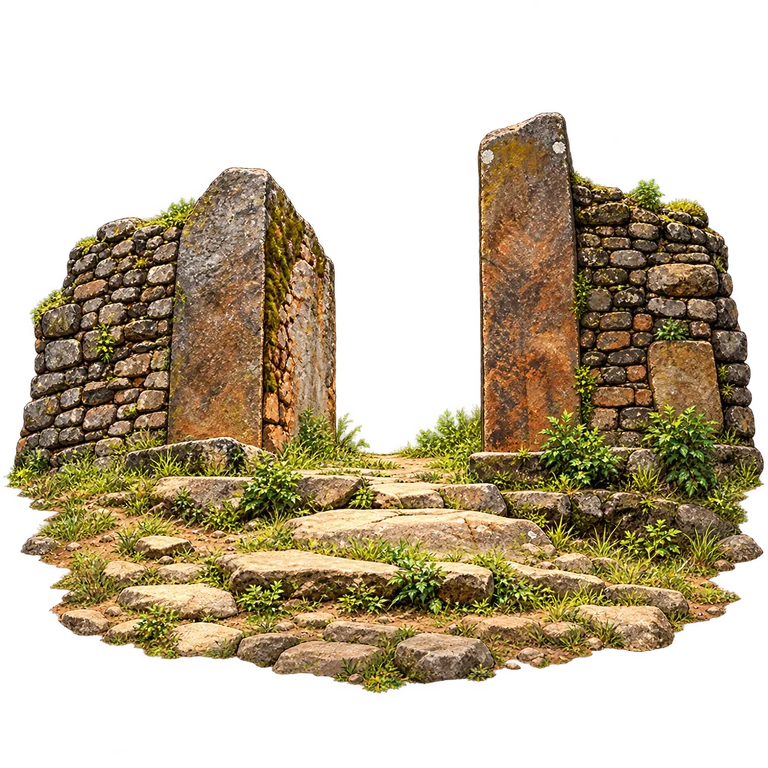
Ambohimanga preserves a royal settlement, fortifications and sacred places associated with the history of the Merina monarchy. Stone gateways are part of the routes through this hill landscape. Look closely at this entrance: its tall weathered jambs and uneven steps tell a different architectural story from a grand European palace.
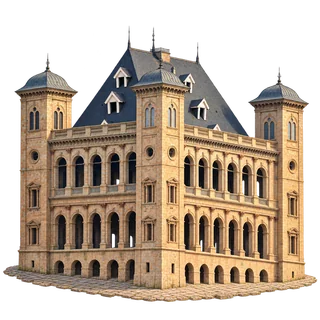
Manjakamiadana, often called the Queen’s Palace, belongs to the Rova of Antananarivo. It recalls the monarchy that shaped Madagascar’s capital during the nineteenth century. The reconstructed stone exterior presents long arcaded galleries, corner pavilions and a tall central roof above the city.
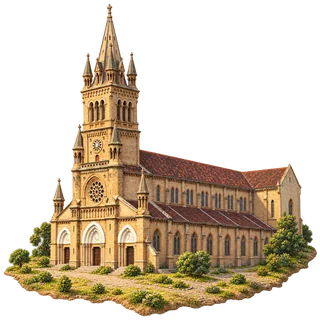
Notre-Dame de La Salette Cathedral stands in Antsirabe, a highland city known for thermal springs and historic buildings. Its central tower rises above three entrance arches, with a rose window beneath the belfry. The long tiled nave stretches back from the ornate frontage, rewarding a look beyond the tallest spire.
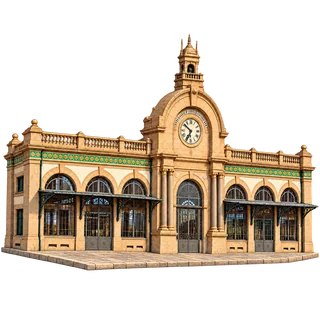
Soarano station stands at the end of the Avenue de l’Indépendance in Antananarivo. Its broad stone frontage gathers large arched windows around a central clock entrance. The station is also used as a meeting place for events: Madagascar’s tourism ministry recorded a tourism fair there in July 2022.
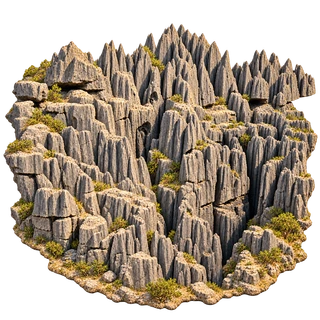
Tsingy de Bemaraha is a component of the Andrefana Dry Forests World Heritage property. Its limestone landscape includes sharp peaks often described as a forest of stone needles. This karst terrain forms part of the varied natural environments protected across Madagascar's western dry-forest region.