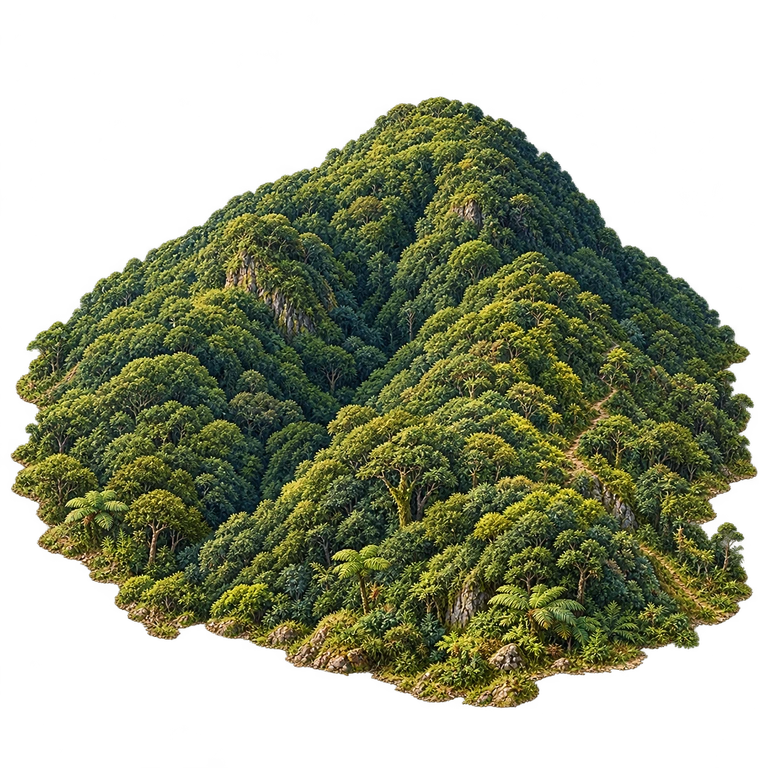
Jamaica's Blue and John Crow Mountains sheltered communities resisting enslavement and colonial control. Trails, settlements and the Nanny Town Heritage Route preserve evidence of Maroon history. The rugged forests also support distinctive plants, connecting a cultural landscape of resistance with important Caribbean biodiversity.
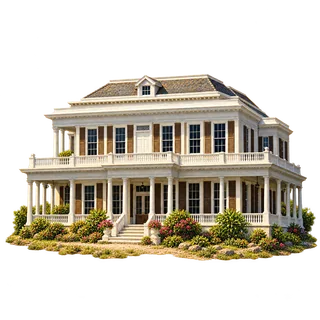
Devon House preserves an example of nineteenth-century domestic architecture in Jamaica. Restored rooms and furnishings tell one part of its story; craft shops and food businesses around the grounds keep it connected to present-day Kingston. Shaded verandas and restrained symmetry give the mansion its distinctive outline.
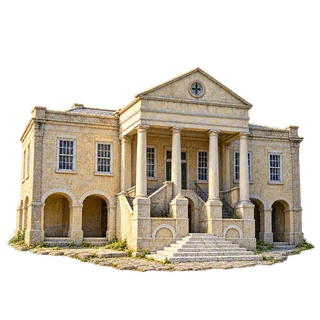
First erected in 1815 and rebuilt after a 1926 fire, the courthouse anchors Falmouth’s civic centre. Its portico and divided stairs reflect Georgian design. A 2025 UNOSAT assessment reported roof damage; the view shown here records its earlier architectural form.
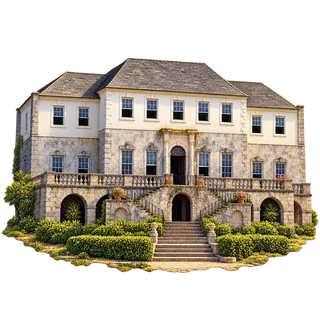
Rose Hall stands on a former sugar estate in Saint James. Cut-stone lower levels, pale upper walls and a symmetrical approach stair give the house its imposing front. Its restored architecture belongs to a plantation landscape whose history includes enslaved labour.
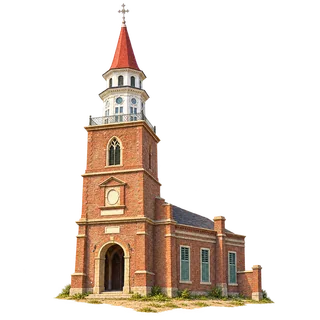
Spanish Town Cathedral is also known as St Jago de la Vega. Rebuilt after the hurricane of 1712, the church gained its tower in 1817. Round and pointed arches, classical stone details and a steeple reflect the way the building developed across different periods.