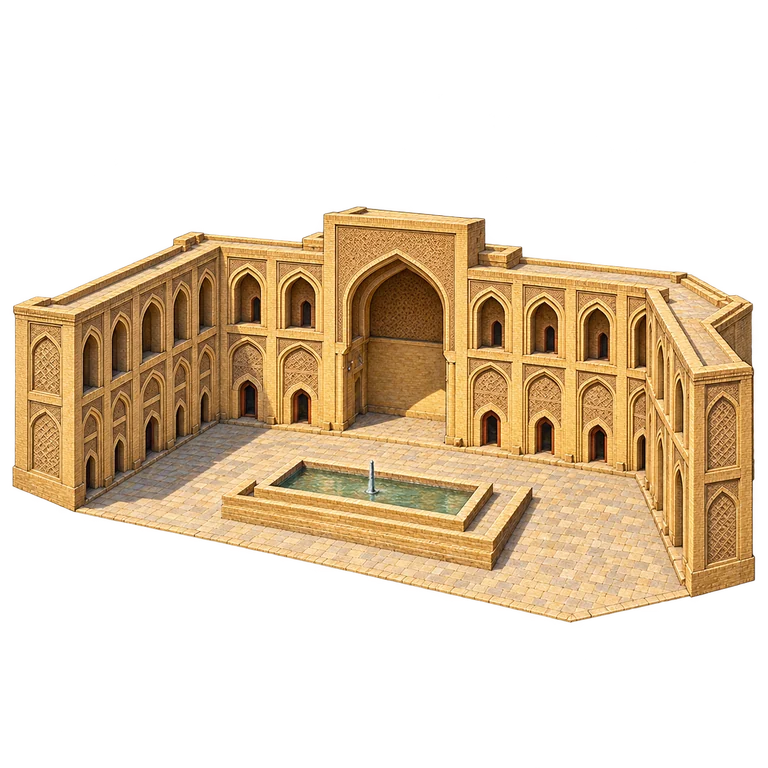
Al-Mustansiriya was founded in the thirteenth century as a major centre of learning in Baghdad. A United Nations visit in 2017 highlighted the building as evidence of the city’s enduring cultural life. In the courtyard, a large pointed iwan rises between smaller arched openings, with patterned brickwork lending texture to the walls. The architecture turns a shared open space into the heart of a scholarly building.
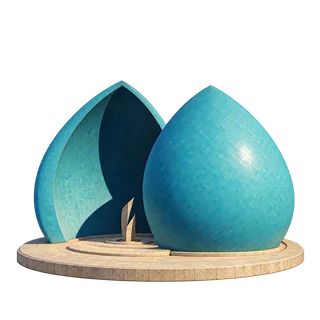
The Al-Shaheed Monument was developed by sculptor Ismail Fatah al-Turk and architect Saman Kamal and completed in 1983. Its divided dome gives a traditional architectural form a striking modern expression. Interviews with the architect describe the project’s development as a memorial, with spaces beneath the platform and blue ceramic cladding above. It remains a place to consider memory and loss, rather than a celebration of war.
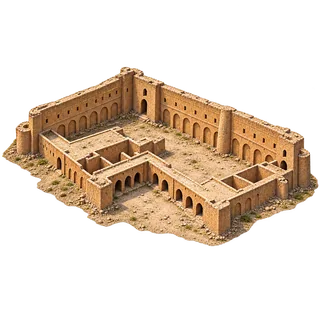
Al-Ukhaidir combines the scale of a fortified enclosure with the spaces of a palace. The Iraqi state’s heritage description records halls, an iwan and residential quarters within its rectangular walls. Seen from the courtyard, repeated arches and rounded buttresses give the surviving masonry a steady rhythm. These remains also recall routes once used by travellers and caravans across the region.
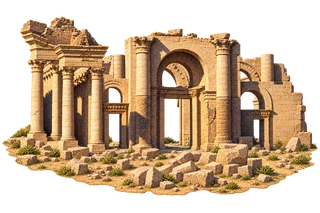
Hatra was a fortified city associated with the Parthian world. Its temples combine Hellenistic and Roman architectural elements with regional decorative traditions. The city's walls and towers helped it resist Roman attacks, while the surviving remains preserve evidence of a distinctive urban and religious centre.
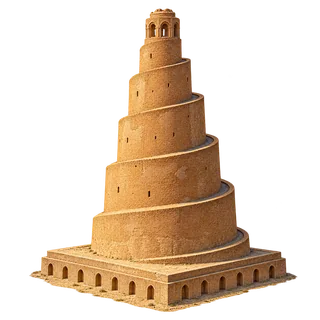
The Malwiya stands beside the remains of Samarra’s ninth-century Great Mosque. Its exterior ramp turns the act of ascending into the minaret’s most recognisable architectural feature. Samarra was an Abbasid capital, and its surviving monuments preserve an ambitious period of building and design. Follow the continuous curve upward, from the broad base toward the small summit.