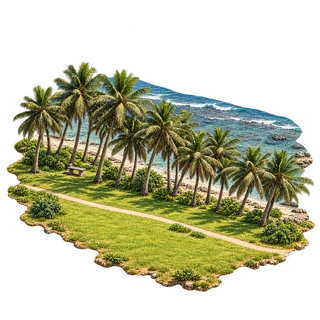
Assan Beach was home to a CHamoru village before becoming a major landing place during the Battle of Guam in 1944. Bombardment destroyed the village, and the surrounding landscape retains traces of the conflict. Interpreting the shore connects community history, wartime loss and the later work of remembrance.
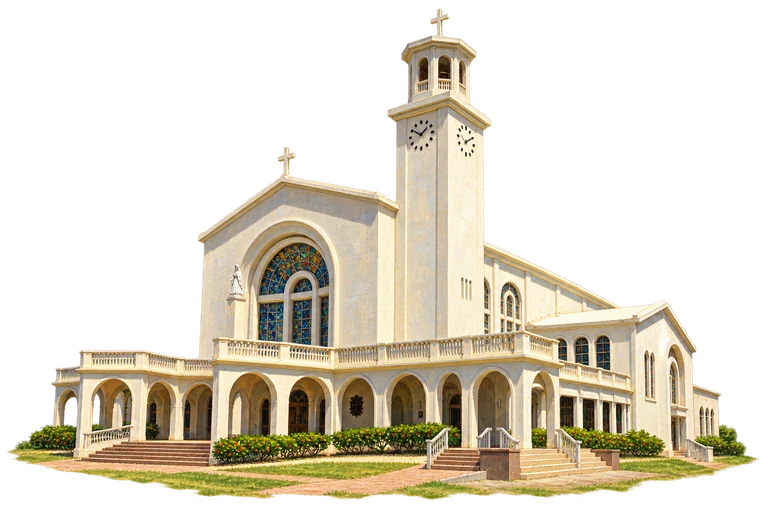
Dulce Nombre de Maria Cathedral-Basilica stands in Hagåtña, close to Plaza de España. The site's Catholic history reaches back to the seventeenth century, but the white building seen today is a later, postwar structure. Its arched windows, open lower arcades and tall clock tower give it a distinctive profile. The cathedral remains a place of worship and a centre of community celebration. Its present form belongs to the island's rebuilding and continuing religious life, rather than the small early chapel that preceded it.
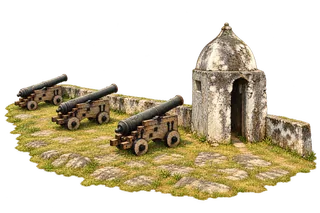
Fort Nuestra Señora de la Soledad overlooks Humåtak Bay, once a resupply stop on the Manila galleon route. The Spanish fort was built in the early nineteenth century as part of the bay's defences. Today the preserved park includes a restored sentry box and displayed cannons. Their quiet setting invites a look at the routes, labour and colonial power that shaped the island's history. These surviving and restored elements offer traces of that past, rather than an intact fortress frozen in time.
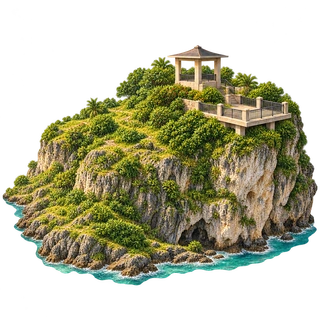
Puntan Dos Amantes, also known as Two Lovers Point, is a well-known headland in northern Guam. Its sweeping sea views and CHamoru storytelling tradition have made the cliff a memorable part of the island’s cultural landscape.