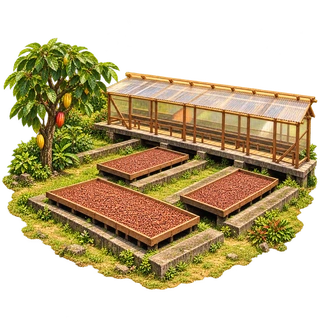
Belmont Estate in St Patrick grows cacao and turns it into chocolate. Its agricultural setting brings together crops, food-making knowledge and the people who carry out those processes. Following cacao from fruit to finished chocolate reveals a different aspect of Grenadian farming from the island's better-known nutmeg production.
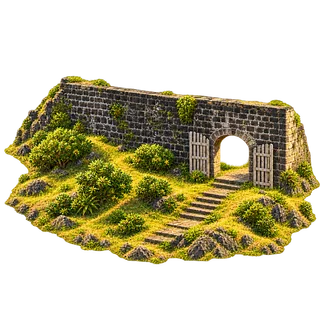
Fort Frederick stands on Richmond Hill above St George’s. Begun under French rule in 1779 and completed under British rule in 1783, it formed part of the island’s defensive network. Many of its guns faced inland towards surrounding heights, earning the site its backward-facing reputation.
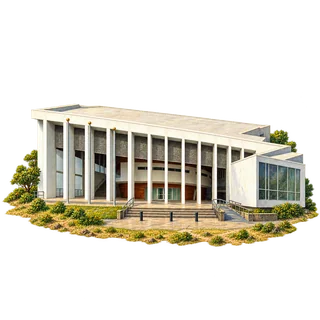
Grenada’s Parliament Building stands at Mount Wheldale in St George’s. A 2018 proclamation designated it as the place for parliamentary sessions from 21 June that year. Its open colonnade and recessed chamber contrast with the capital’s older stone landmarks.
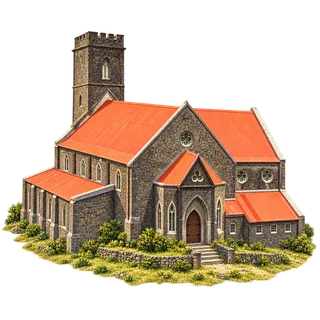
The Cathedral of the Immaculate Conception is the Catholic mother church of Grenada’s Diocese of St George’s. Its pointed openings and buttresses belong to a Gothic Revival design. The parish’s daylight photograph shows the dark stone, red roofs and square bell tower represented here.
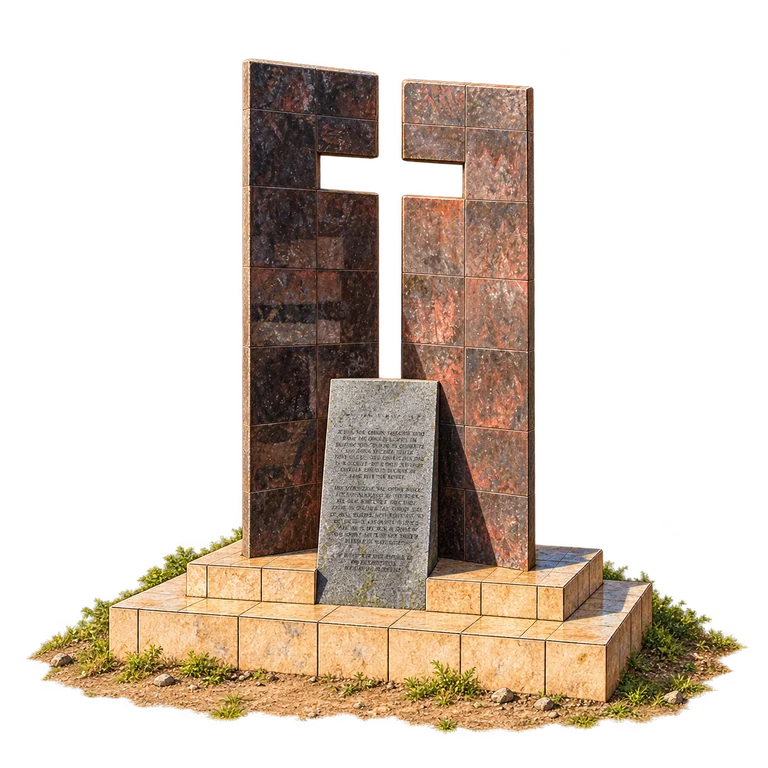
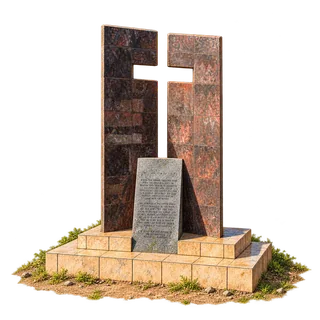
Leapers Hill is a place of remembrance in Sauteurs. Its memorial recalls Kalinago resistance to French colonisation and the violence through which colonial control was established. The National Museum’s teaching material examines the remembered story through its colonial accounts, inviting reflection rather than treating the monument as proof of every detail.