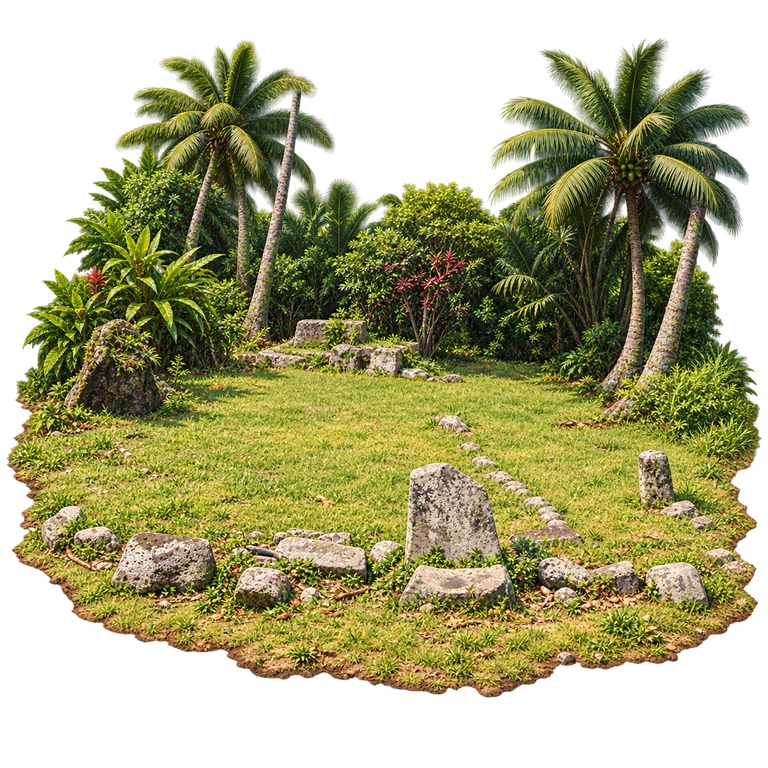
Arai-te-Tonga on Rarotonga is both a marae and a koutu associated with the Makea community. The court has been a place for investing ariki with their titles, and its platform and upright pillar remain distinctive features. Oral traditions and continuing chiefly connections give the place meanings beyond its surviving stones.
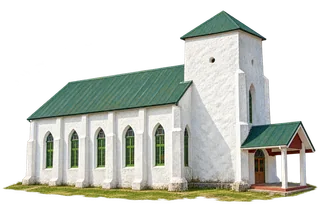
Avarua's Cook Islands Christian Church is known as Ziona Tapu, or Holy Zion. Built farther inland in 1853 after an earlier coastal church was lost to a cyclone, it has thick coral-stone walls and strong buttresses. The Gothic-shaped windows bring light into a modest building shaped by local materials and craftsmanship. The congregation's story links Polynesian missionaries, Rarotongan communities and later generations who repaired and renewed the church. Its plain square tower remains a familiar Avarua landmark.
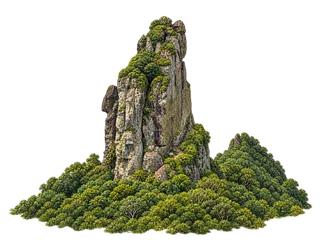
Te Rua Manga, widely known as the Needle, is one of Rarotonga's most distinctive inland landmarks. Its steep exposed rock rises above forested slopes along the island's cross-island walking route. The contrast is striking: fractured grey faces and small ledges of greenery above a dense green canopy. Cook Islands Tourism identifies the Needle as a destination on this route, with approaches from the north and south. It belongs to Rarotonga's rugged interior, far from the ring-shaped lagoon scene many visitors imagine.