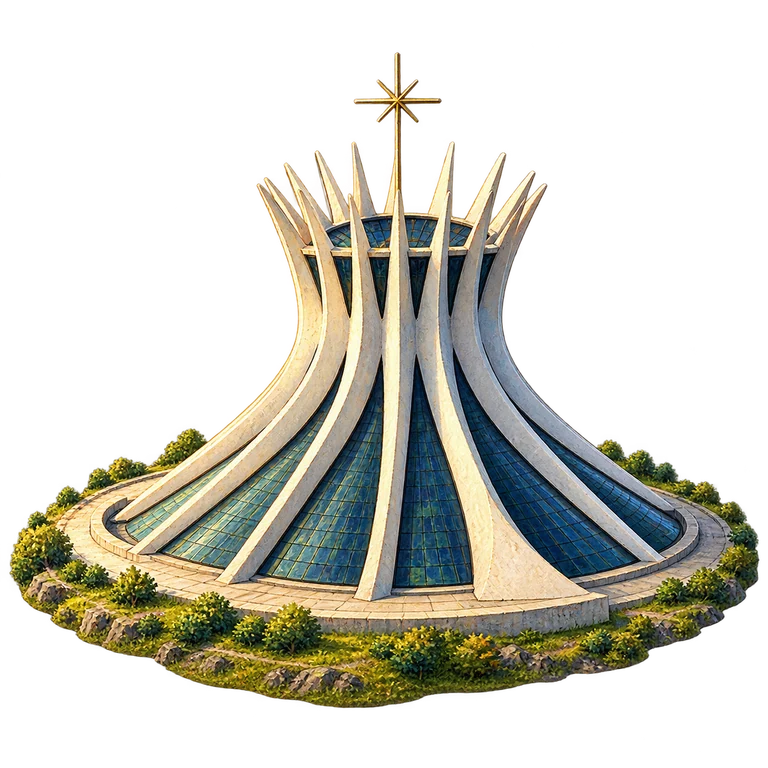
The cathedral's silhouette begins low and broad, narrows at the middle, then opens upwards. Between the white concrete ribs, dark glazing gives the structure a striking rhythm. It is one of the distinctive buildings of Brazil's planned capital.
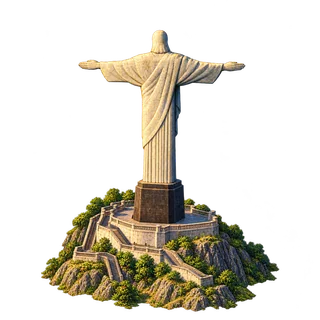
Seen from behind, Christ the Redeemer faces out towards Rio's mountains and harbour. The statue's outstretched arms and long Art Deco silhouette make it instantly recognisable. It stands on Corcovado within the Tijuca landscape.
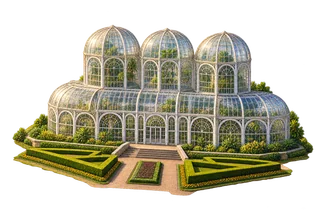
The main glasshouse of Curitiba's Botanical Garden turns iron and glass into a landmark. Its three upper bays stand above planted beds and carefully clipped hedges. Inside, the collection includes plants associated with the Atlantic Forest.
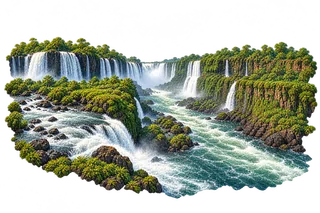
Water and forest meet on a grand scale at Iguaçu. The falls are shared by Brazil and Argentina, with viewpoints offering different ways to read the river's basalt ledges and islands. Mist rises as the water drops into the gorge.
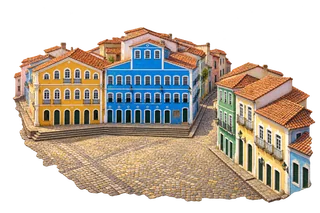
Yellow, blue and green facades lead the eye around Largo do Pelourinho. The square forms part of Salvador's historic centre, where narrow streets and tiled roofs hold many layers of the city's history.
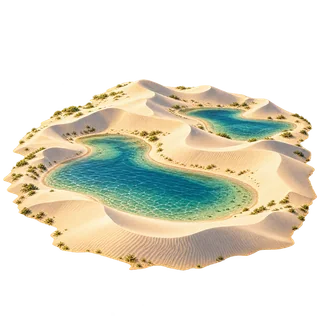
Rain changes this landscape. Water gathers between the dunes of Lençóis Maranhenses, creating lagoons framed by bright sand. Wind and water keep reshaping the patterns of this coastal landscape.
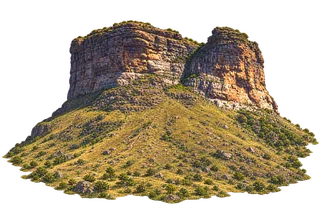
Morro do Pai Inácio is a landmark of the Chapada Diamantina in Bahia. Its layered upper cliffs stand above a sloping apron, giving the hill its table-like outline. The view invites you to trace the contrast between the hard cap and the gentler ground below.
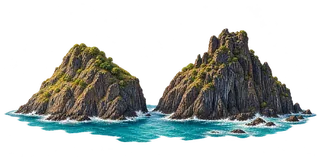
Seen from the Baía dos Porcos area, Morro Dois Irmãos is one of Fernando de Noronha's best-known views. The two neighbouring rock forms sit apart, with the sea visible between them. Their rough dark faces contrast with the clear water below.
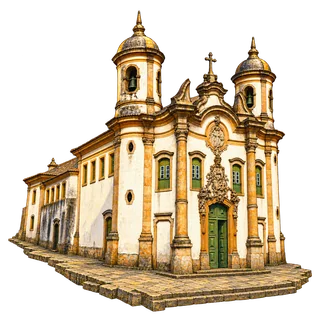
The church of São Francisco de Assis rewards a close look at its curves. Its facade bends between two bell towers, while rich carved stonework gathers around the doorway. The design is associated with Antônio Francisco Lisboa, known as Aleijadinho.
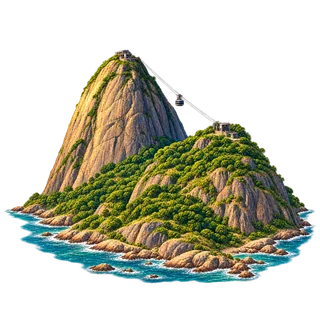
Sugarloaf's steep rock face contrasts with the wooded shoulder of Morro da Urca. Cable cars connect the heights, offering one of Rio's best-known views. The rounded mountain profile is a landmark in its own right.
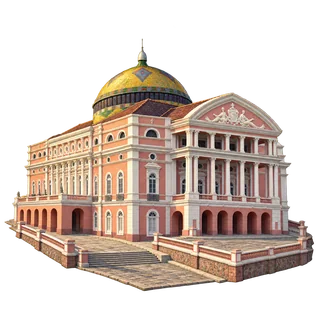
Teatro Amazonas brings a different kind of landmark to the Amazon region: an opera house. Opened in 1896, it has a long pink-and-white facade, a columned entrance and a tiled dome that stands out above the roof.
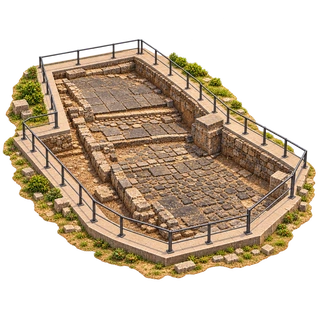
Valongo Wharf in Rio de Janeiro was built for the landing of enslaved Africans from 1811 onwards. Archaeological layers preserve the original paving beneath later changes to the harbour area. The site bears physical witness to the Atlantic slave trade and the people subjected to it.