history
Christ the King Cathedral, Gaborone
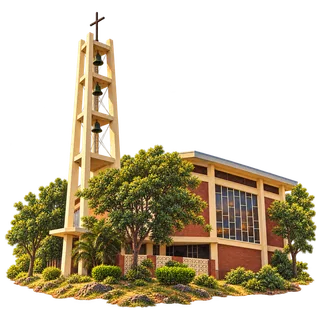
Christ the King Cathedral stands on Queens Road in Gaborone. Its open concrete bell frame, cross and low brick frontage give the church a distinctive modern silhouette.
Source: www.christthekingbw.com
Southern Africa
Discover Christ the King Cathedral, Gaborone, Domboshaba Surviving Walls, Old Palapye Church Ruin and more.
Explore 5 illustrated places, read the stories behind them and look closer on the globe.
Explore Botswana on the globe →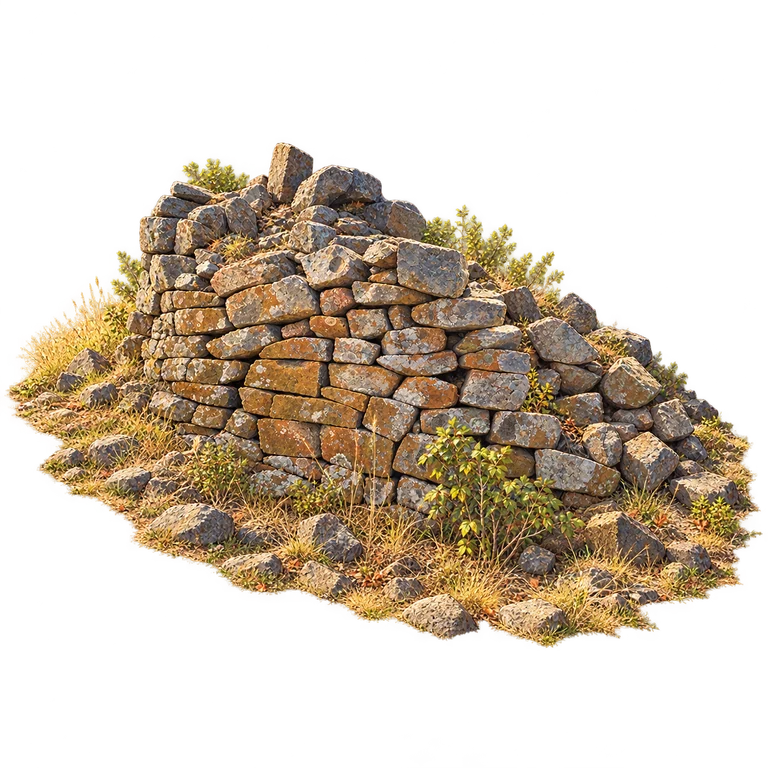
history
Christ the King Cathedral stands on Queens Road in Gaborone. Its open concrete bell frame, cross and low brick frontage give the church a distinctive modern silhouette.
Source: www.christthekingbw.com
archaeology
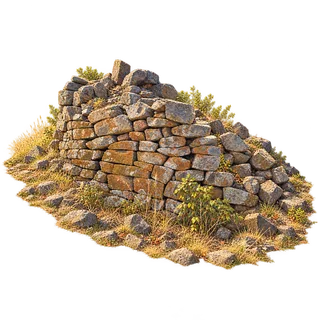
Domboshaba was an Iron Age settlement associated with the later Great Zimbabwe period. Its dry-stone walls and surviving floors preserve evidence of a community rather than an isolated decorative ruin. Botswana’s heritage authorities also recognise its continuing importance to local Kalanga communities. Conserved wall fragments reveal how stones were fitted together without turning the site into an imagined intact palace. The modest remains connect archaeology with a living relationship to place.
Source: Botswana Government / DailyNews
history
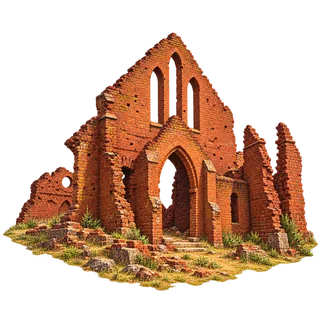
Old Palapye, also called Phalatswe, served as the Bangwato capital under Khama III from 1889 to 1902. The remaining church walls form one recognisable part of that much larger historical settlement. Burnt-red brick, pointed openings and broken wall ends make the surviving fabric legible without restoring a roof. The settlement was later left as water supplies proved insufficient, and the capital moved to Serowe. Its history reaches beyond this single building.
Source: Botswana Tourism Organisation
history
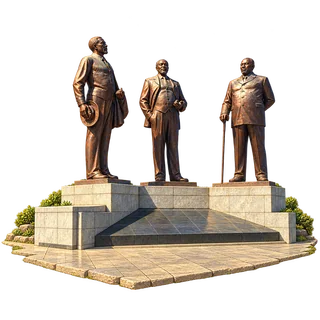
The Three Dikgosi Monument in Gaborone honours Khama III, Sebele I and Bathoen I. Their 1895 journey to Britain opposed the transfer of their lands to the British South Africa Company. The standing bronze figures turn that diplomatic history into a public place of remembrance. Different coats, gestures and objects distinguish the three leaders, while a shared platform presents them together. The monument recalls negotiation and political agency rather than an invented battle scene.
Source: Botswana Government / DailyNews
archaeology
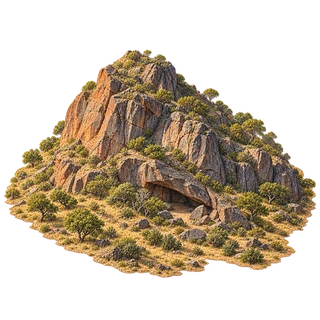
Tsodilo in the Kalahari contains thousands of rock paintings within a relatively small area. Archaeological evidence records human activity and environmental change across a much longer timespan. The hills also remain spiritually significant to local communities, so the art belongs to a living cultural landscape.
Source: UNESCO World Heritage Centre
Read more about Botswana · Choose another country or territory · How to play USURPR