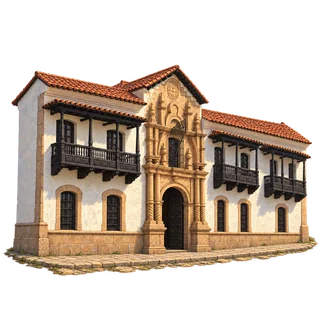
Casa de la Libertad safeguards the original independence act and other objects connected with Bolivia's history. Its museum brings together documents, portraits and memories from different communities. Start at the carved entrance, then imagine the historic rooms beyond.
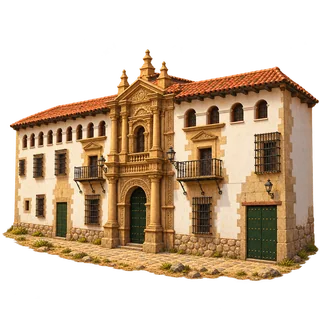
Potosi's National Mint preserves the architecture and collections of a city shaped by silver. Its museum looks after coins, paintings and documentary heritage. The restrained white frontage makes the richly carved central entrance stand out.
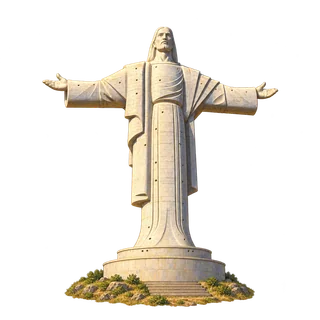
Cristo de la Concordia is a landmark on San Pedro Hill, east of Cochabamba. Its long robe, broad sleeves and round pedestal give it a different silhouette from the better-known statue in Rio. Look up to the open hands above the approach steps.
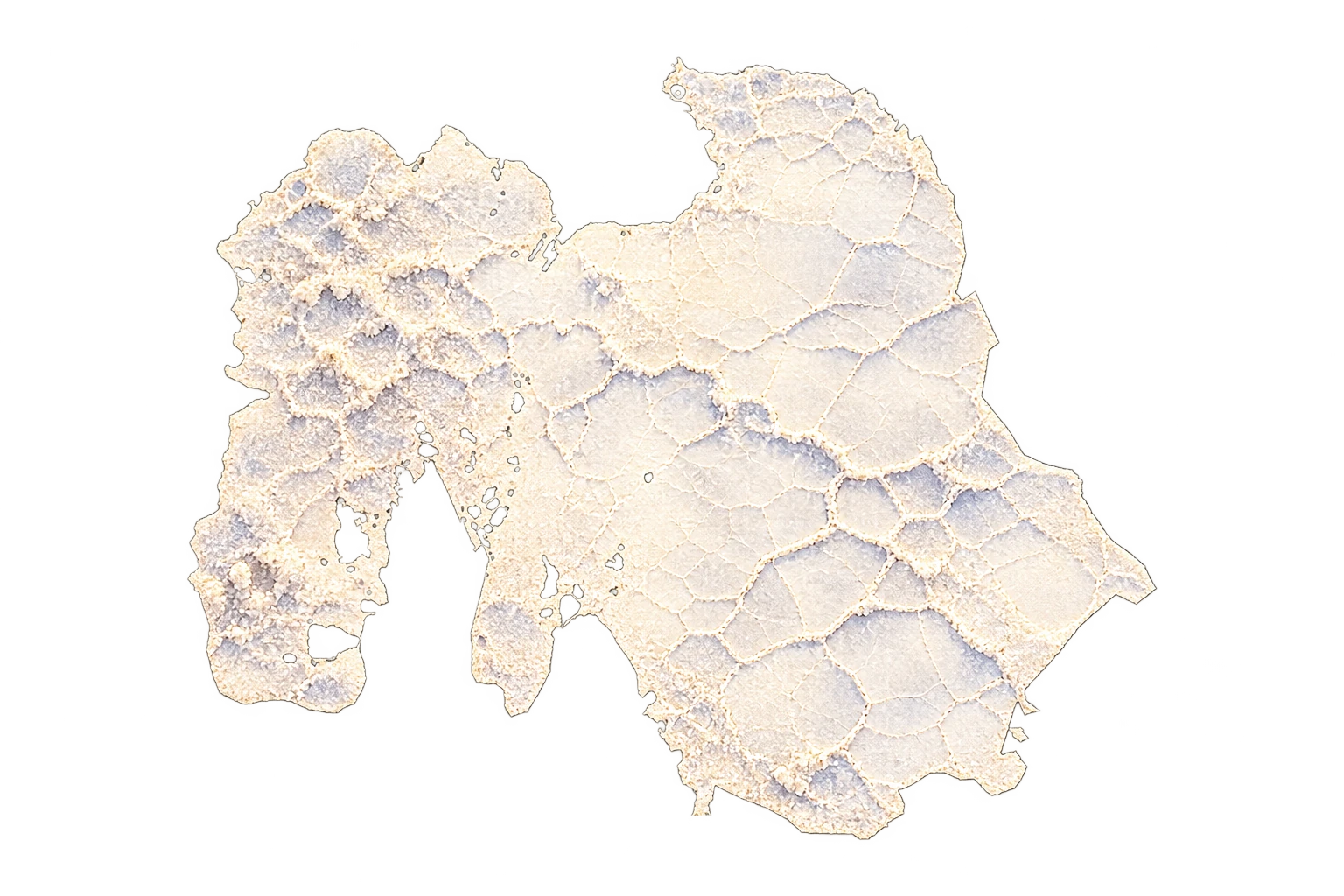
Salar de Uyuni is a vast salt desert in southwestern Bolivia. From above, its pale mineral crust forms an irregular expanse among darker volcanic terrain. Rocky islands break the white surface, and rain can leave shallow water across parts of the flat. The scene changes with the season, while its immense scale is easiest to grasp from above.
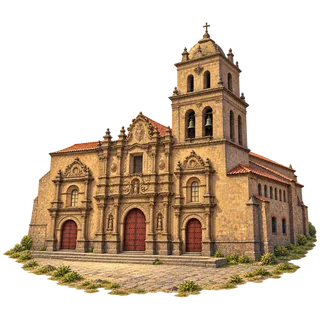
The basilica faces one of La Paz's busy central spaces. Its carved entrance is an example of the architecture known as barroco mestizo. Look closely at the layered doorways and the contrast between the broad front and its square bell tower.
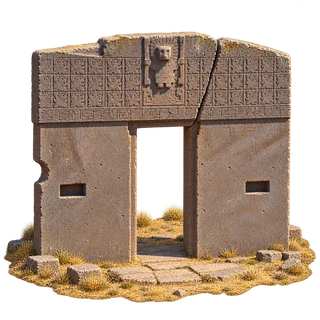
Tiwanaku was the capital of a powerful pre-Hispanic state in the southern Andes. It reached a major period of influence between 500 and 900 CE. The site's surviving monumental architecture preserves evidence of its political and spiritual importance, distinct from later Inca centres.