nature
Białowieża Forest
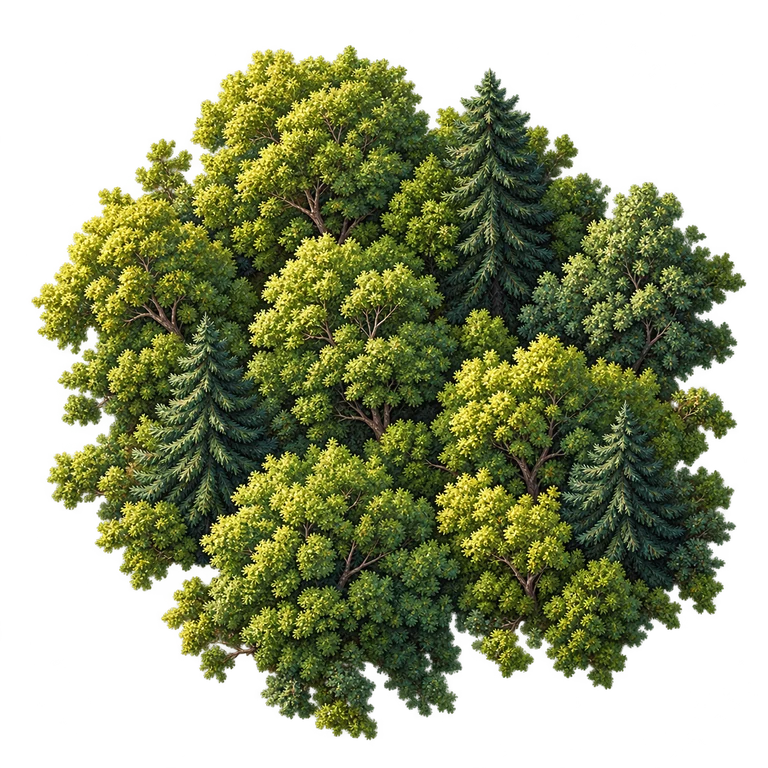
Białowieża is a cross-border forest of broadleaf and conifer trees, with exceptional old-growth woodland and European bison.
Eastern Europe
Discover Białowieża Forest, Białowieża Forest — Belarus, Minsk’s Red Church and more.
Explore 6 illustrated places, read the stories behind them and look closer on the globe.
Explore Belarus on the globe →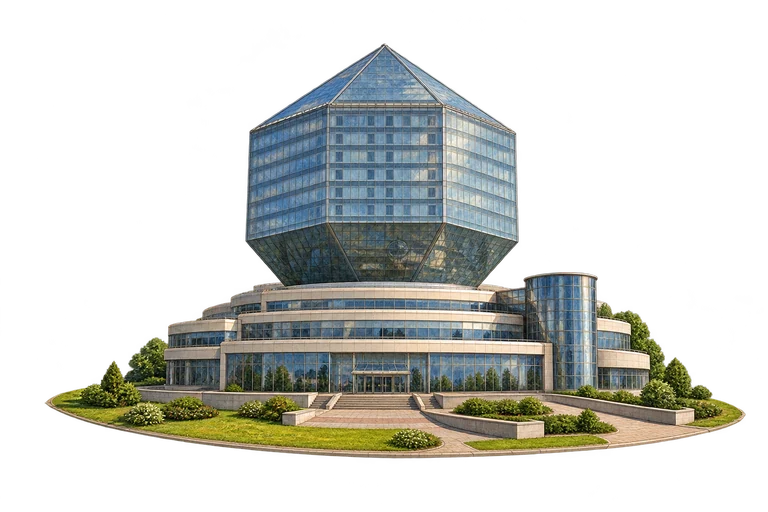
nature
Białowieża is a cross-border forest of broadleaf and conifer trees, with exceptional old-growth woodland and European bison.
forests
Białowieża Forest extends across Belarus and Poland. Its protected areas preserve a large lowland forest complex with long-standing natural processes and rich wildlife. The Belarusian part forms a separately listed component of the shared World Heritage property.
Source: UNESCO World Heritage Centre
architecture
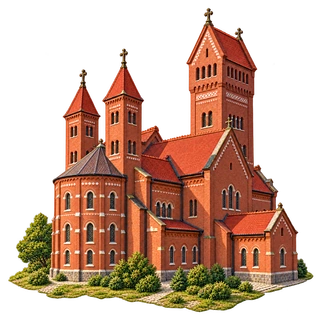
The Church of Saints Simon and Helena is widely known as the Red Church. Completed in 1910, its red brickwork and unequal towers give it a distinctive silhouette. A rounded apse and steep tiled roofs reward a closer look.
Source: religiana.com
architecture
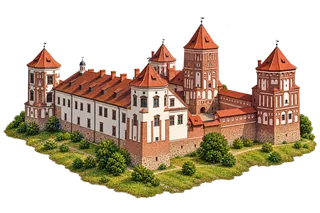
Construction at Mir began in the late fifteenth century in a Gothic style. Later extensions brought Renaissance and Baroque features, while nineteenth-century restoration added further elements and a landscaped park. Its present appearance therefore records repeated adaptation rather than a single moment of medieval construction.
Source: UNESCO World Heritage Centre
architecture
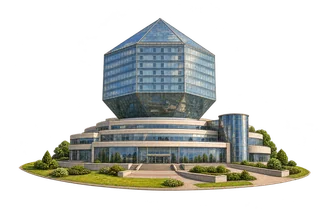
The National Library of Belarus opened its present building in 2006. Its faceted upper volume was conceived as a diamond, expressing the value of knowledge, and stands above a low podium containing public spaces and reading rooms. The library preserves publications while connecting readers with information resources. Its unusual silhouette makes a place for books and study into one of Minsk's most distinctive modern buildings.
Source: National Library of Belarus
architecture
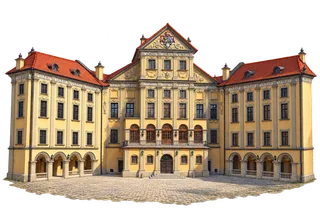
At Nesvizh, the Radziwills developed a fortified residence into a richly decorated palace. Its connected buildings surround a courtyard, where pale walls, arcades and a sculpted central pediment turn the enclosure into a formal setting. The castle belongs to a larger cultural landscape that also includes parks and the Corpus Christi Church. This courtyard offers a closer look at the residence itself, rather than the whole estate.
Source: UNESCO World Heritage Centre
Read more about Belarus · Choose another country or territory · How to play USURPR