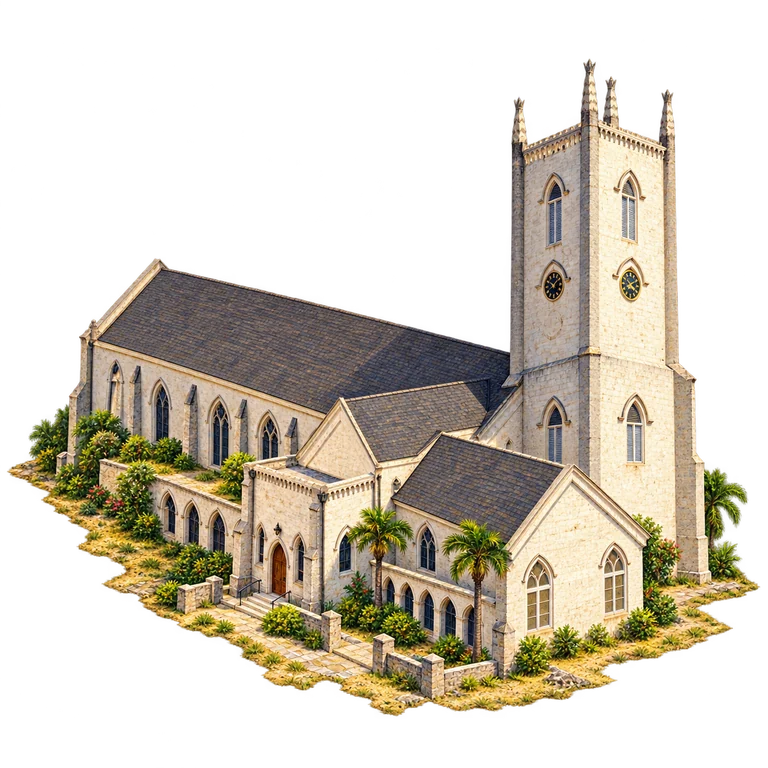
Christ Church Cathedral stands on George Street in Nassau. The present limestone church dates to 1841, and it became a cathedral in 1861. Pointed windows, a square clock tower and slender corner pinnacles give the building its Gothic character.
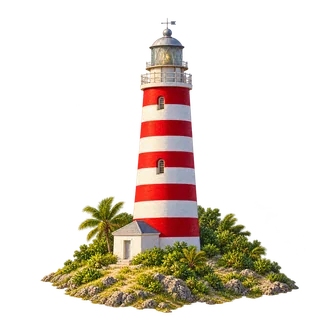
Elbow Reef Lighthouse stands on Elbow Cay near Hope Town. Its keeper-operated mechanism is hand-wound and fuelled by kerosene, preserving a demanding tradition of maritime care. The round banded tower and metal lantern gallery make it instantly recognisable.
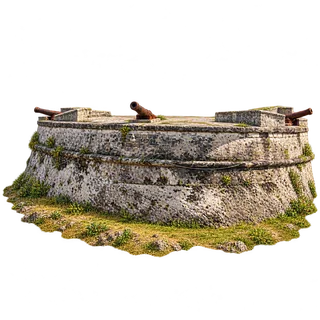
Fort Fincastle was built from cut limestone around 1793. Its elevated position on Bennet Hill helped protect Nassau and its harbour. The broad masonry and gun terrace remain a striking contrast to the town below.
Historic Vendue House once served as a market where enslaved Africans were sold. It became the Pompey Museum of Slavery and Emancipation in 1992, named for Pompey of Exuma. The museum gives space to the history of enslavement, resistance and freedom in The Bahamas.
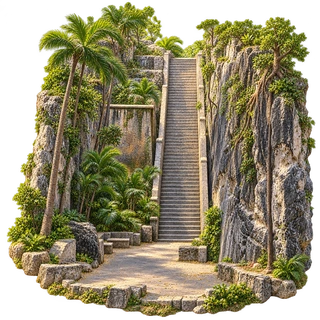
The Queen's Staircase in Nassau was cut from solid limestone by enslaved people in 1793 and 1794. It created a direct route between Fort Fincastle and the town. Later named for Queen Victoria, the staircase is commonly called the 66 Steps, although paving now covers the lowest step.