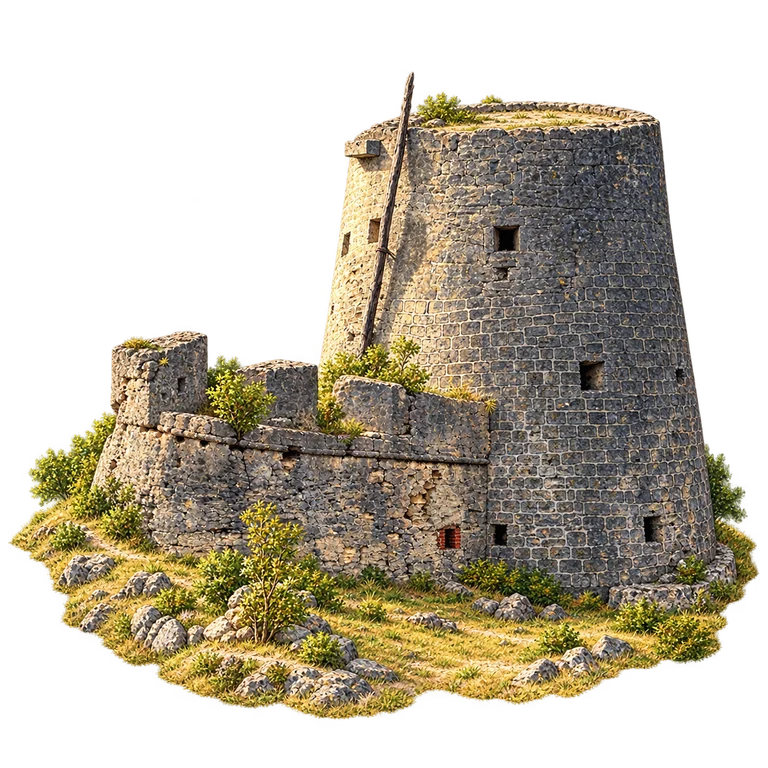
The Martello Tower formed part of Barbuda’s coastal defences. The tourism authority describes its lookout role: information about arriving or wrecked ships was passed towards Codrington. Its thick masonry and small openings give this surviving tower a very different silhouette from a lighthouse.
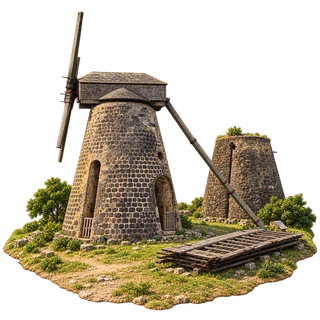
Archaeological work at Betty's Hope investigates several centuries of sugar production. A restored windmill preserves machinery once used to crush sugarcane, while excavations and archival research reveal changes in technology and daily life. That industry depended heavily on enslaved labour, a history essential to understanding the surviving industrial remains.
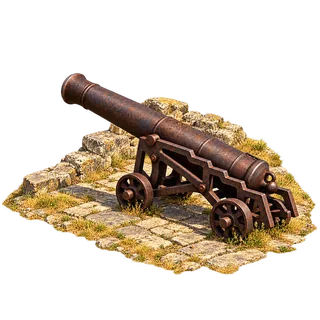
Fort James stands at the northern entrance to St John’s Harbour. The Museum of Antigua and Barbuda describes its expansion in the 1730s and the ten cannon that remain at the site. Their iron barrels and sturdy carriages make the scale of the old defences tangible.
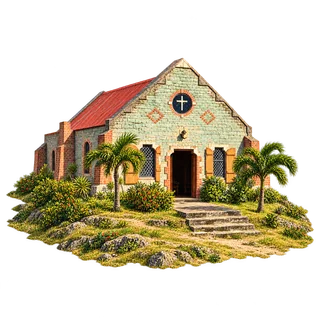
St Barnabas stands in Liberta, in Antigua’s parish of St Paul. Its modest gabled front combines green-grey stone, brick details and a small round window above the entrance. The church is among the buildings named in the country’s 2025 heritage legislation.
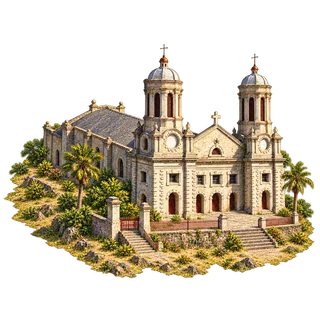
St John’s Cathedral is one of Antigua’s most recognisable landmarks. Its paired bell towers have rounded cupolas above a stone façade, while a long nave stretches back from the entrance. The cathedral is named in Antigua and Barbuda’s national heritage legislation.