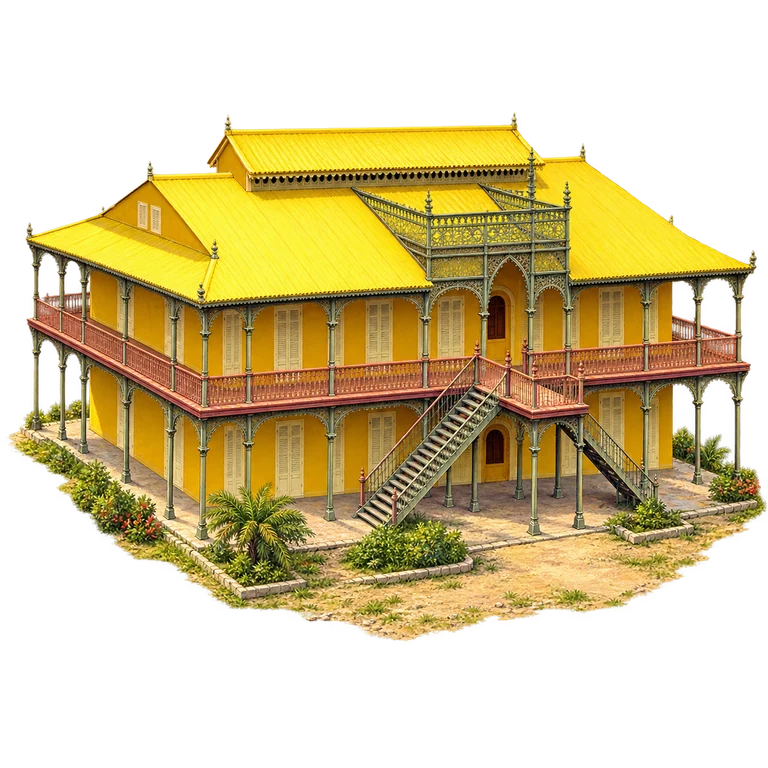
Luanda’s Palácio de Ferro brings an airy metal framework to an exuberant yellow building. Stairs climb to its wraparound veranda. The palace also serves as a centre for cultural events, bringing music, theatre and exhibitions into a distinctive historic setting.
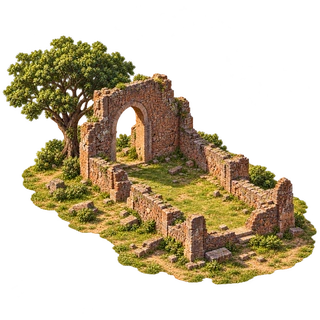
Mbanza Kongo was the political and spiritual capital of the Kingdom of Kongo. Royal, judicial, sacred and burial places shaped its historic core. Portuguese arrival and the spread of Christianity introduced further architectural changes, leaving evidence of interaction and transformation in Central African history.
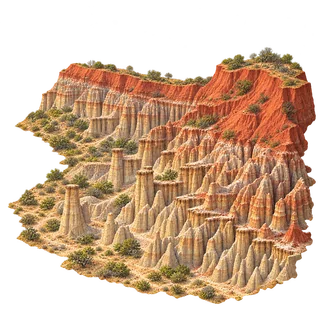
Miradouro da Lua reveals ridges and pinnacles carved into layered earth. Pale lower walls meet red upper slopes, creating the lunar-looking landscape behind its name. The site is also an outdoor setting for learning about sedimentation and erosion.
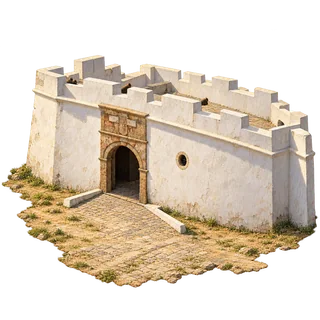
The entrance to São Miguel Fortress pairs a stone arch with bright white defensive walls. Look above the doorway for the stone panel, then follow the repeating battlements along the parapet.
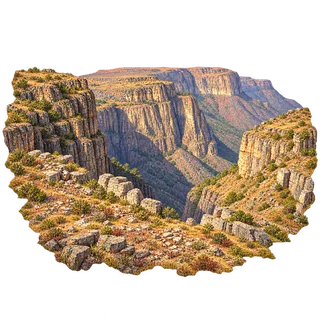
At Tundavala, the highland plateau opens into a dramatic gap. Broad rock faces drop below dry grasses and weathered stone. Angola’s government includes this escarpment landscape among the country’s celebrated natural wonders.