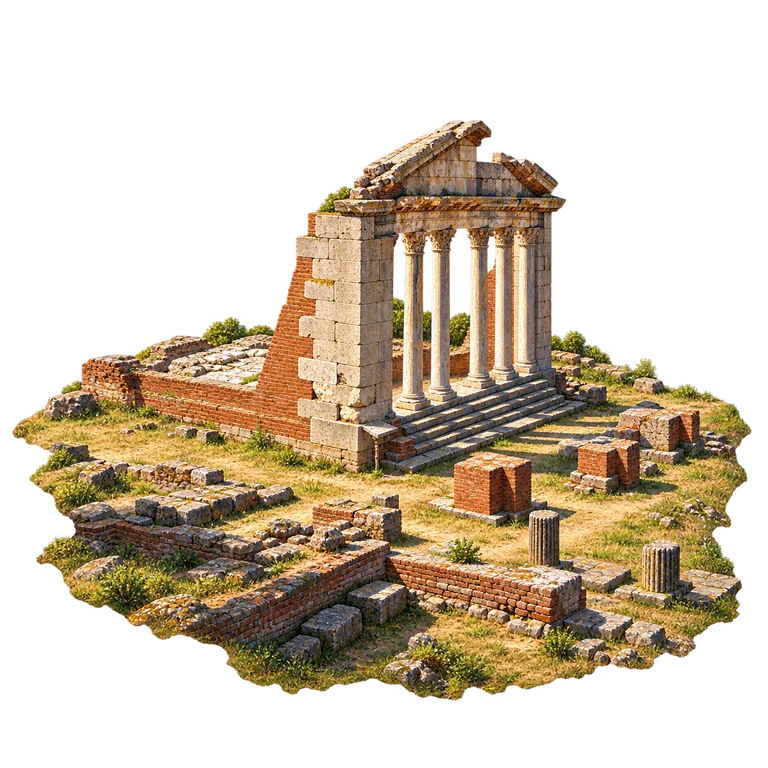
At Apollonia, archaeological remains and a later monastery share a historic landscape. The park’s routes connect monuments from the ancient city with the monastery complex that now houses its museum. Exploring both reveals how one place can carry traces of very different periods.
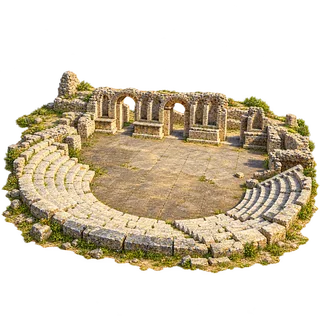
Butrint grew through Greek, Roman and later communities, leaving different kinds of buildings in the same landscape. Its theatre, public monuments and Christian remains reveal how a city changed rather than staying frozen in one age. The surrounding waters and vegetation are part of the setting.
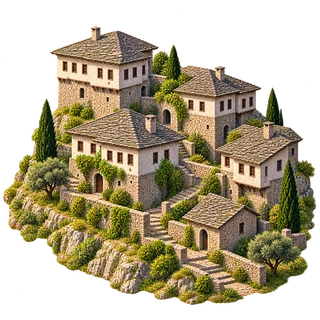
Gjirokastra's historic townscape developed around distinctive two-storey houses, especially during the seventeenth century. A bazaar, an eighteenth-century mosque and churches also survive within this southern Albanian settlement. Together the buildings record urban life and architecture shaped during the Ottoman period.
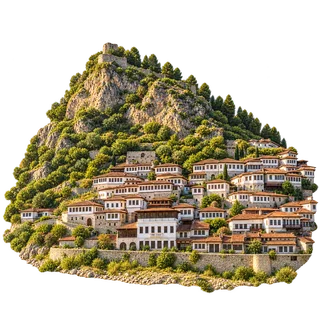
Berat is one of the two historic centres in a shared Albanian heritage property. Its hillside quarters and Kala citadel preserve a town shaped over many centuries. Byzantine churches and Ottoman-period mosques help tell a story of communities living within the same urban landscape.
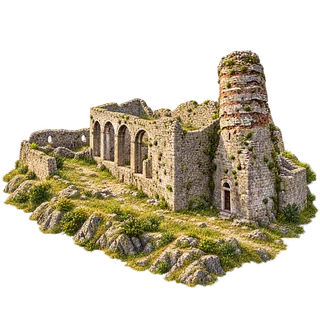
Rozafa Castle occupies a hill at the approach to Shkodra. Its walls and gateways reflect repeated building and rebuilding under different rulers. The surrounding rivers and Lake Shkodra make the view part of the discovery: this was a stronghold positioned within a much larger landscape.